Open any one of the following projects for the full case study. Some details are omitted to protect customer and company IP.
01 / 07Swipe, drag, or use the arrows
Fluid lines in structureimg/fluid-lines-install.webp
2024 →In Qualification
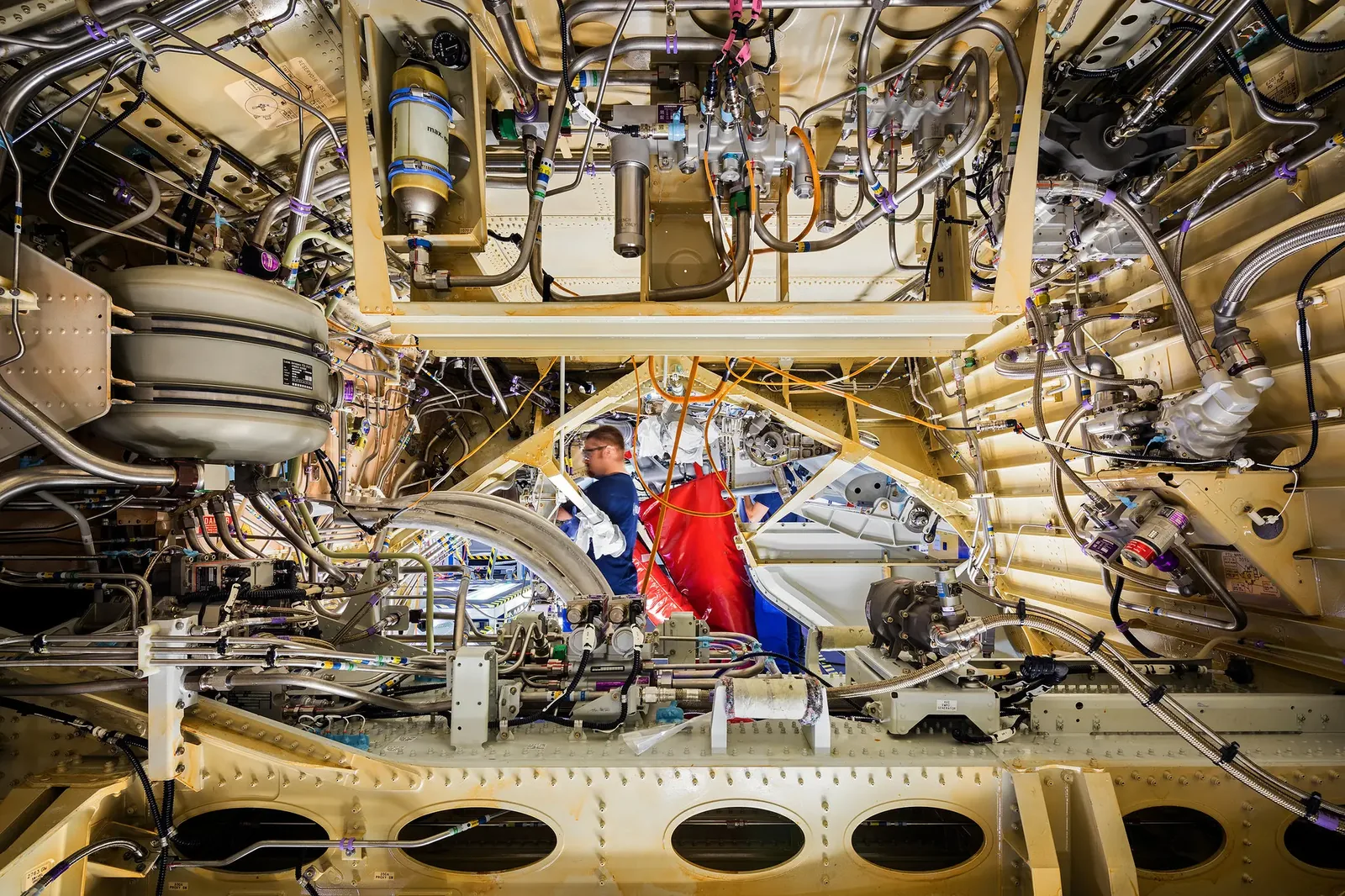
Fluid lines inside a commercial airframe. Each one of these connections can feature this new B-nut.
[Redacted]
Locking fluid connector
A torque-limiting B-nut for commercial aircraft, taken from the first sketch through patents pending and three rounds of customer demonstrations.
Role
Inventor and lead engineer
Market
[Redacted]
Adaptive-cycle engineimg/xa100.jpg
2021Qualified
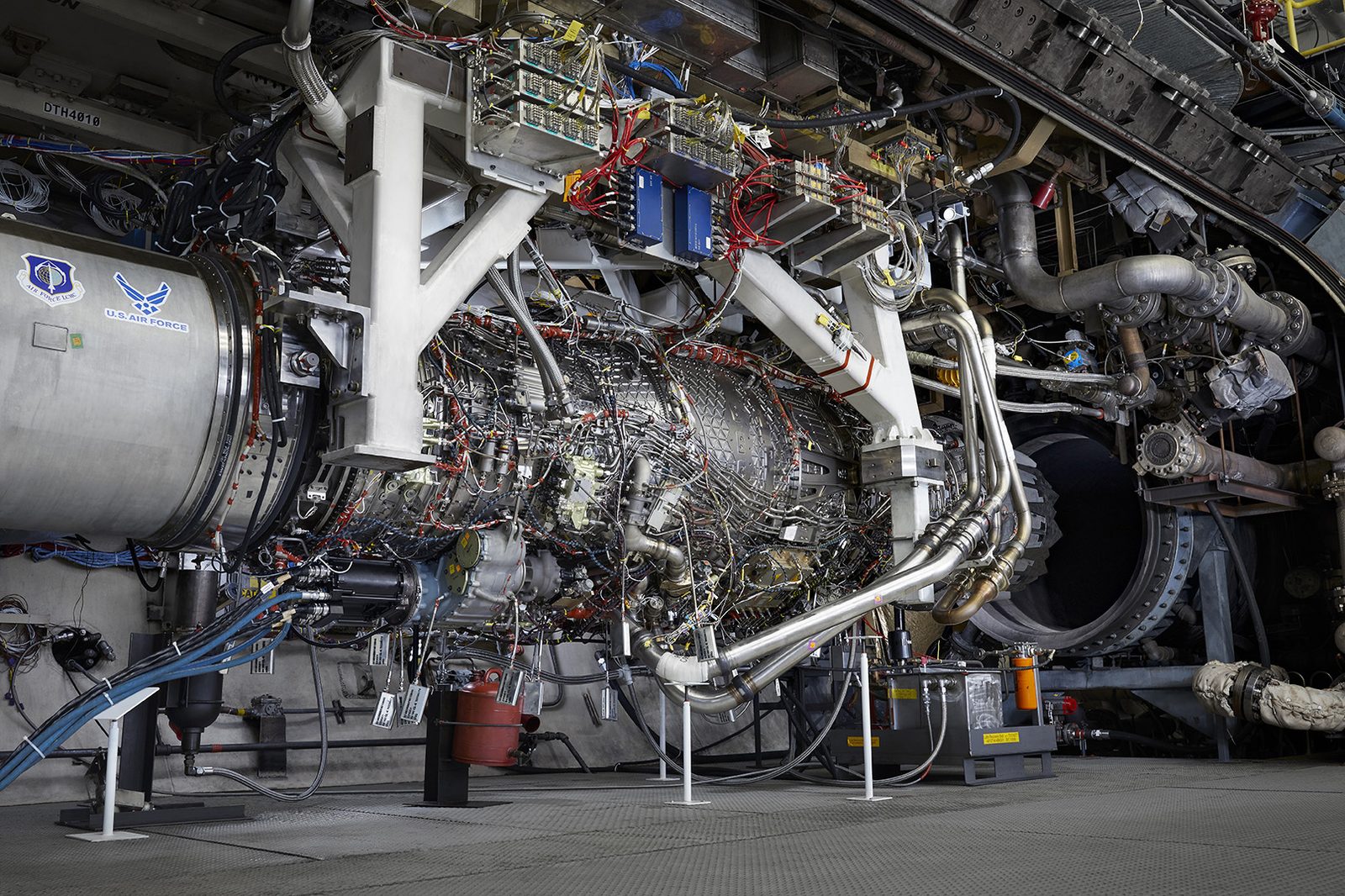
GE XA100, the class of engine this hardware was developed for. USAF photo.
Military engine program
Lockwire-free fitting & coupling suite
A family of fluid fittings and mating couplings with a locking mechanism that eliminates lockwire, qualified for hundreds of connections per engine.
Role
Design and qualification lead, project manager.
Rate control deviceimg/rate-control-device.jpg
2022–2024In production
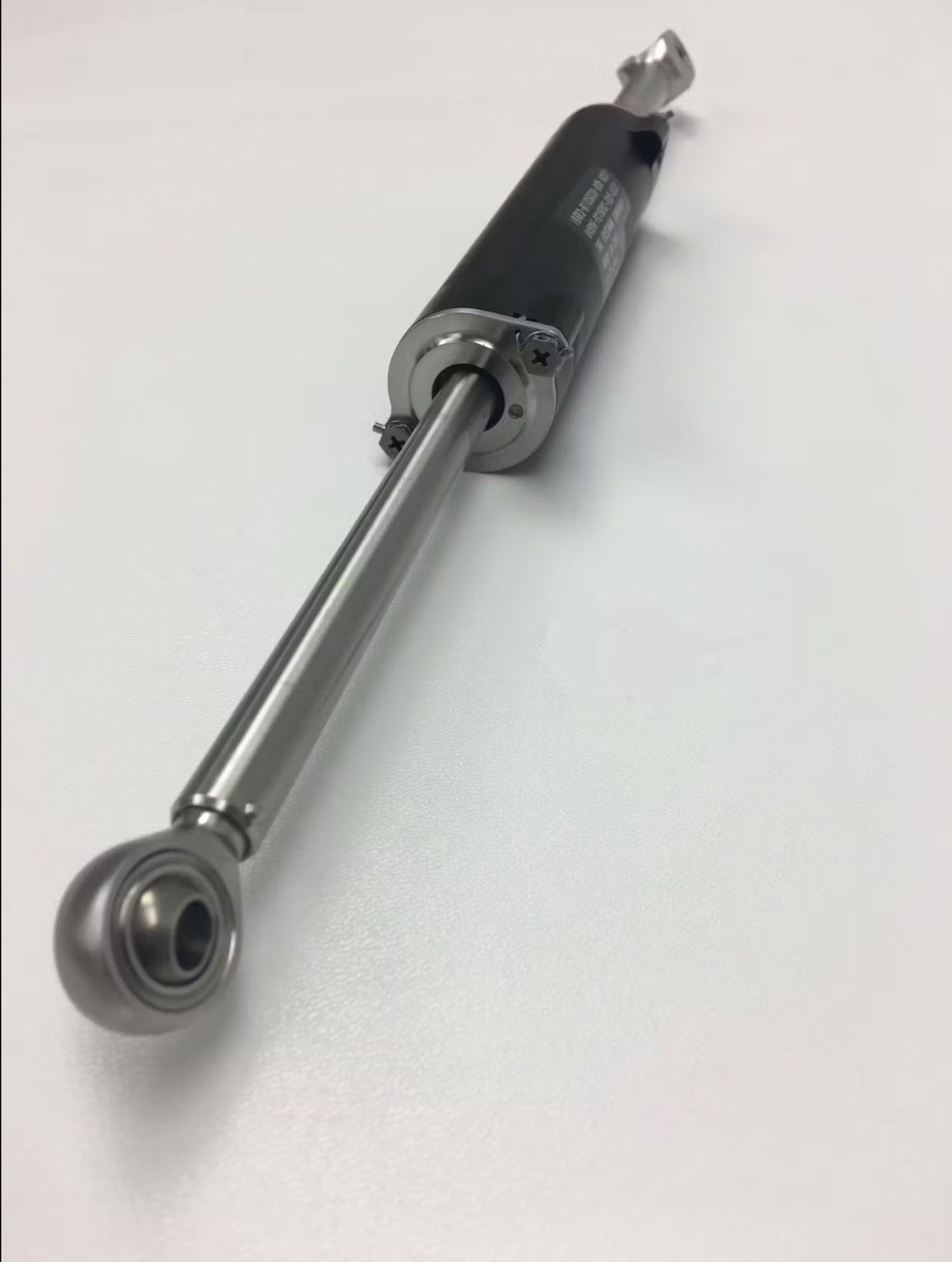
A Rate Control Device unit for a similar program.
MRAS · COMAC C919
Nacelle rate control device
A self-contained line-replaceable unit that controls how fast the engine cowls open and close, with a gear train, bearings and splines, internal fluid paths, orifice restrictions, and an integrated relief valve in one housing.
Role
Responsible engineer, concept through production
Reviews
Led PDR and FDR with the customer engineering
Test rig on the benchimg/test-rig.jpg
2023–24Built in-house
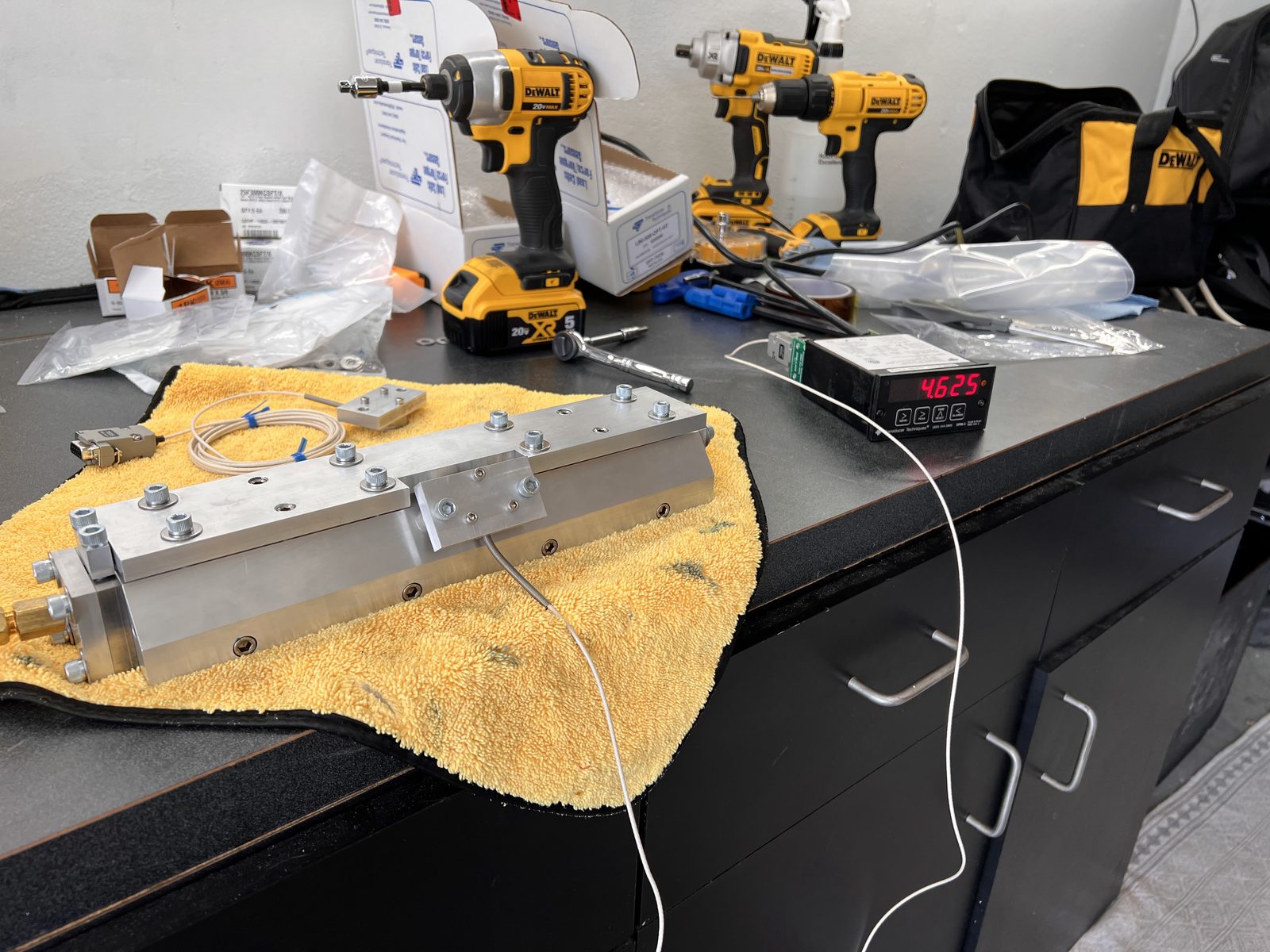
Instrumented rig with load cell and thermocouple feeding the live readout
Thrust reverser track liner tooling
Electro-mechanical test rig
Designed and built end-to-end to pressure-test a silicone expansion bladder used as bonding tooling. I handled the mechanical design, PID control, load-cell and thermocouple instrumentation, and custom data acquisition.
Role
Sole designer and builder
Control
Closed-loop PID for load and temperature
Cowls open on hold-open rodsimg/nacelle-cowls-open.jpg
2022–24In service
Cowls open on their hold-open rods; the clamp keeps the rods in place
Gulfstream · MRAS
Latches and clamps
Two clean-sheet mechanisms using different manufacturing methods: a sheet-metal slam-close latch for Gulfstream and an injection-molded, non-metallic hold-open rod clamp for MRAS.
Role
Design engineer
Process
Sheet metal; injection molding.
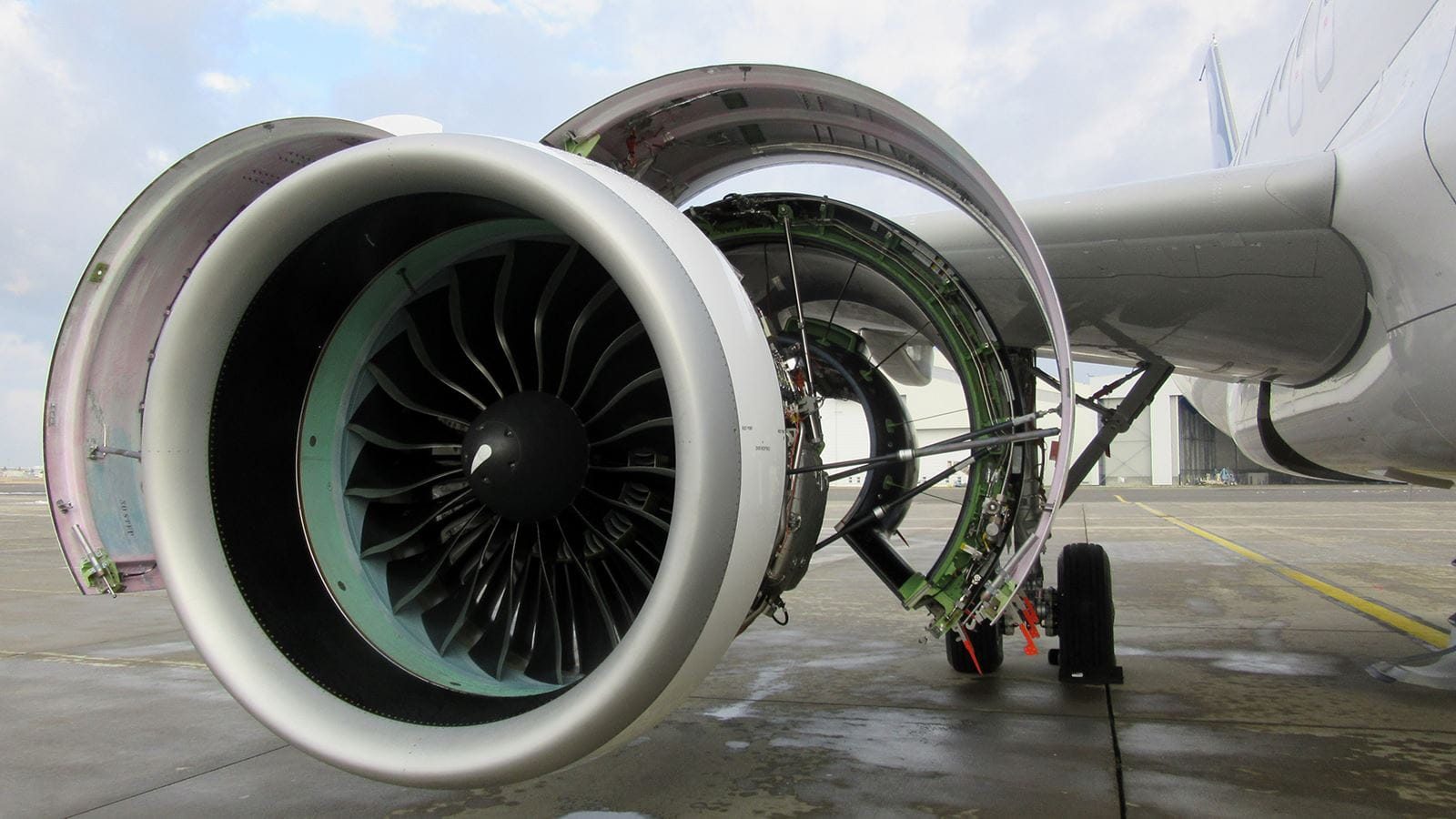
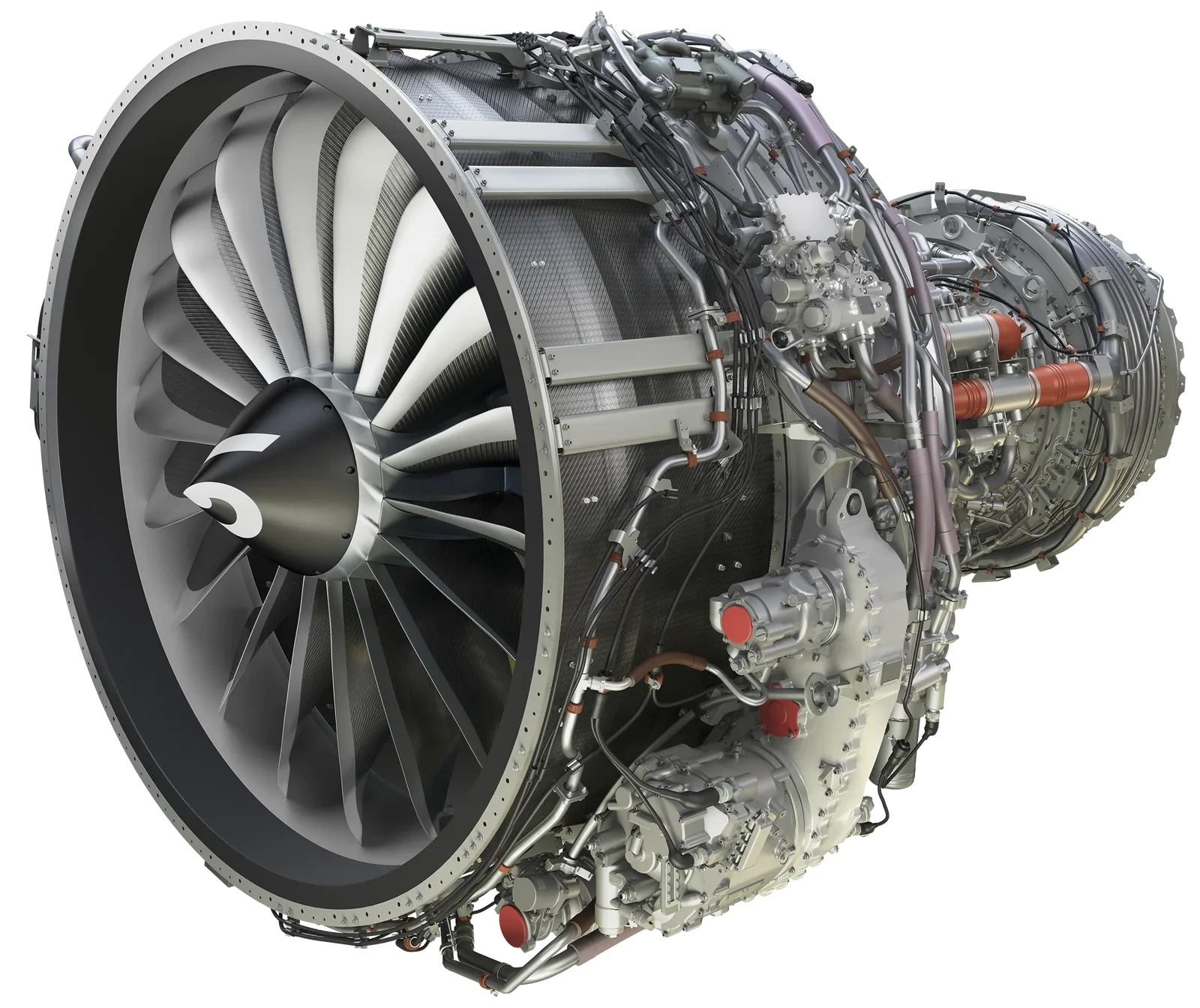
CFM LEAP engineimg/leap-engine.webp
2016–20In production
CFM LEAP, across every variant carrying the insert
CFM International · all LEAP variants
High-temperature locking insert
An insert that has to lock, release, and lock again through extreme thermal cycling on every LEAP variant. Released to production and still shipping at tens of millions a year.
Role
Design engineer and technical lead
Revenue
Tens of millions / year, sustained
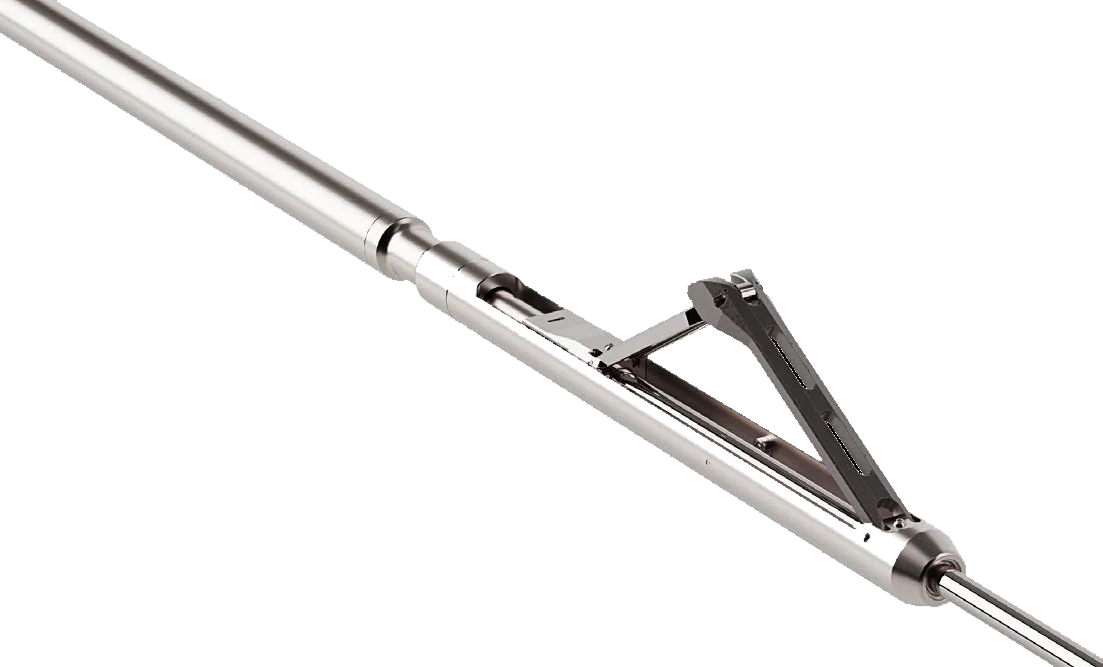
Coiled-tubing tractorimg/wwt-slim-tractor.webp
2014–15Earlier work
WWT coiled-tubing tractor, the tool driven by the valving
WWT International
Hydraulic valving, downhole robotics
Relief, pilot, and shuttle valves for hydraulically powered downhole robots, modeled at high pressure and temperature to verify actuation before deployment.
Role
Product engineer, design and analysis
Env.
High pressure, high temperature, non-recoverable
Leading engineers
Player-coach. I lead the team and stay close to the hardest design work.
I lead a product engineering team I built and hired. I set technical direction, assign and review design work, run design reviews, conduct performance reviews, and manage the team’s bandwidth against program priorities. A lot of the job is unblocking engineers; the rest is deciding what we should not take on.
I have hired six engineers and co-ops to date. One co-op I hired and developed moved into a full-time manufacturing engineering role and is doing well. The CAD, drawing, and workflow standards I wrote were adopted across the organization and reduced engineering rework.
Outside the company, I participate in the SAE G-3 committee for fluid distribution systems. Inside the company, I am the escalation point for technical, quality, MRB, and qualification problems that need an experienced technical owner.
8+years as a technical lead
6engineers and co-ops recruited and hired
12+years in aerospace and ruggedized hardware
Off the clock
The same problem-solving habits show up in my own projects.
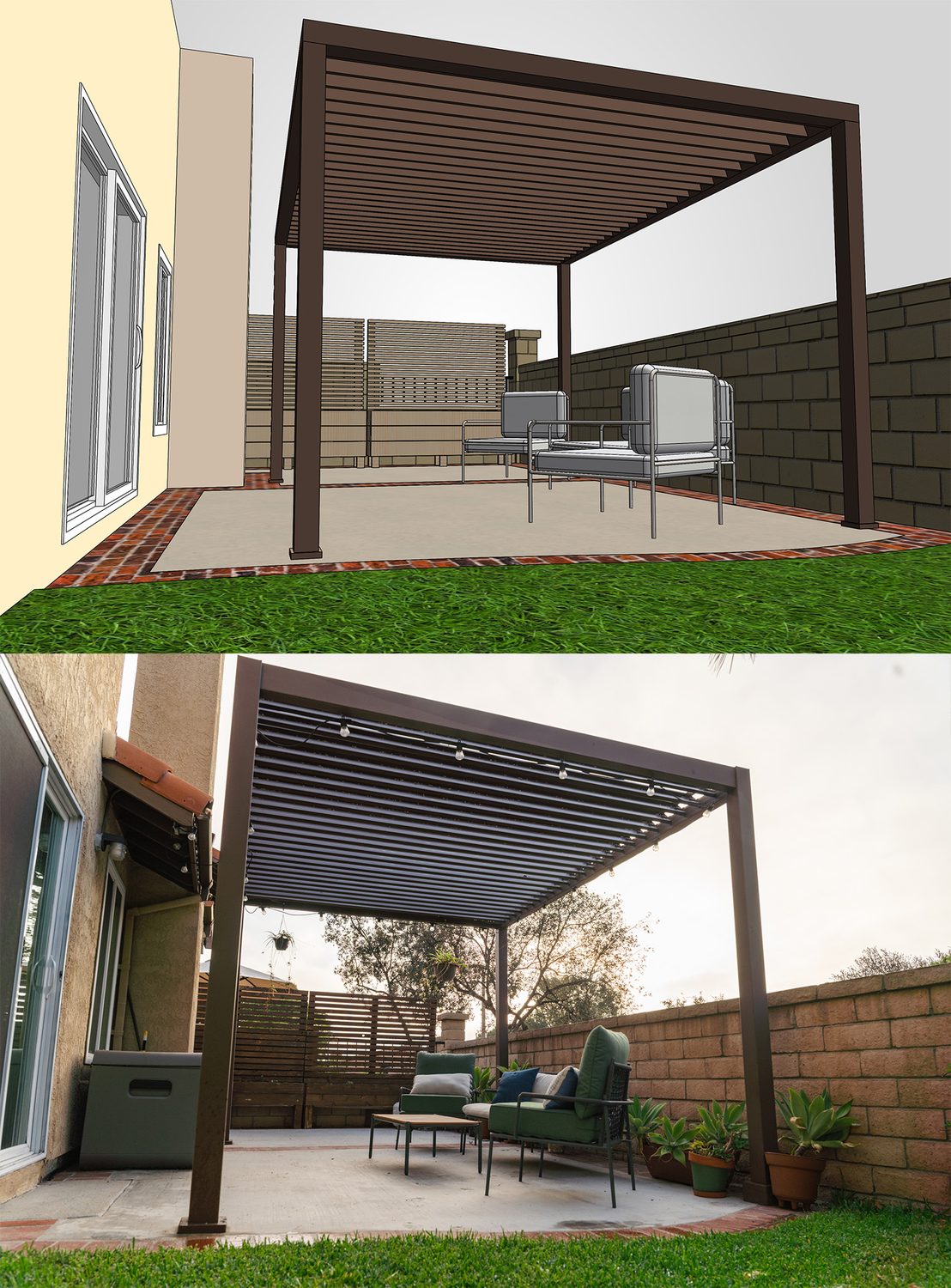
Model above, built belowimg/pergola-model-vs-built.jpg
Modeled first, then built; same structure above and below
Model it, then build it
Most major projects on my property start as a CAD model, a rendering, and a set of elevation drawings. Contractors get dimensioned plans, and I can keep the cost and schedule grounded before work starts. HOA and permit approvals are easier when the drawings are already done.
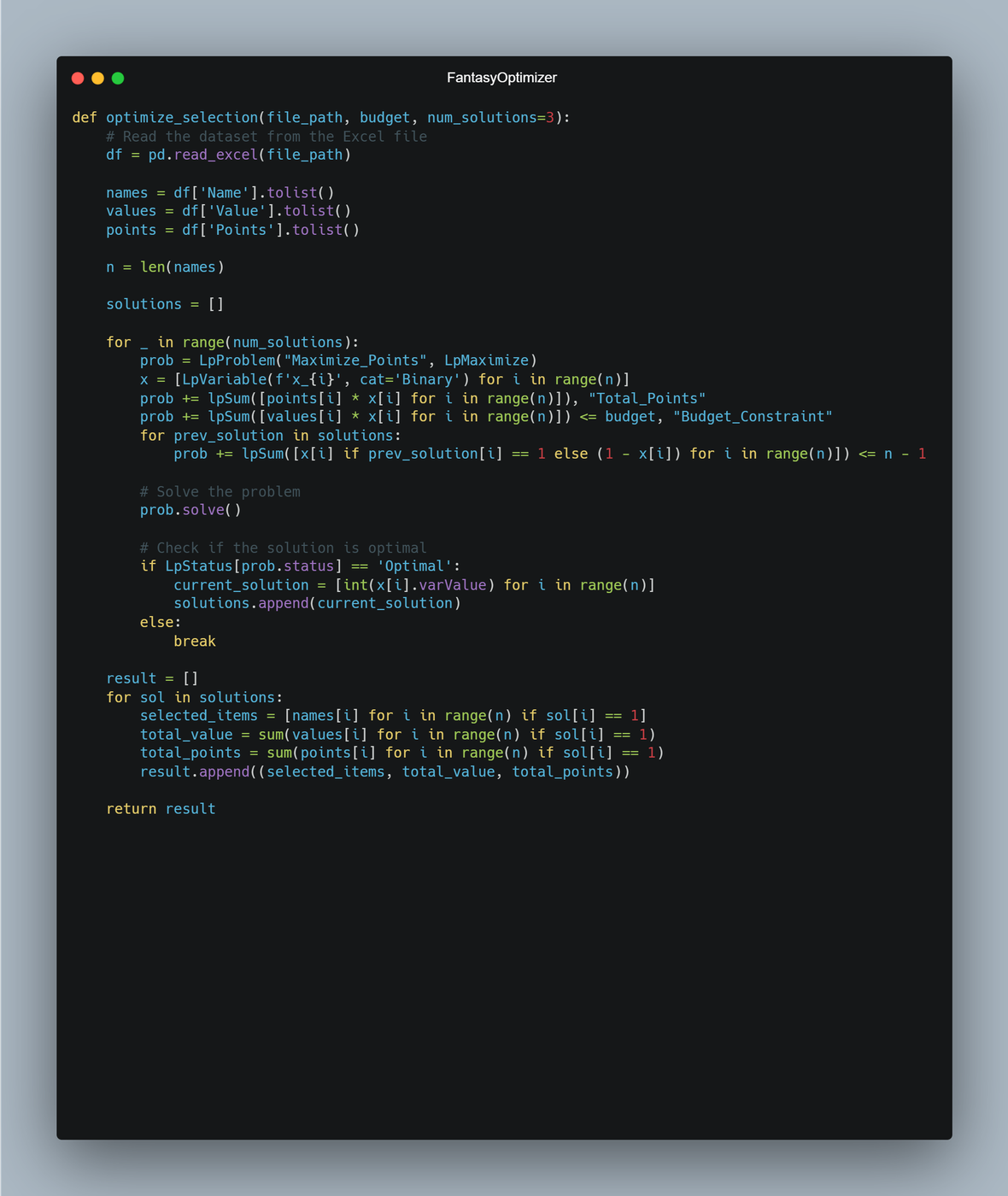
Optimizer sourceimg/fantasy-optimizer.png
Campsite selection solved as a binary knapsack problem in PuLP
If I can’t find it, I write it
A campsite-cancellation monitor that emails me when a sold-out site opens. A fantasy-sports optimizer that treats roster selection as a constrained knapsack problem (and later, a Monte Carlo simulation, because winning is important). A photo-import utility that sorts RAW files into dated folders. The pattern is usually the same: find an inefficient step, define the constraints, and automate it.
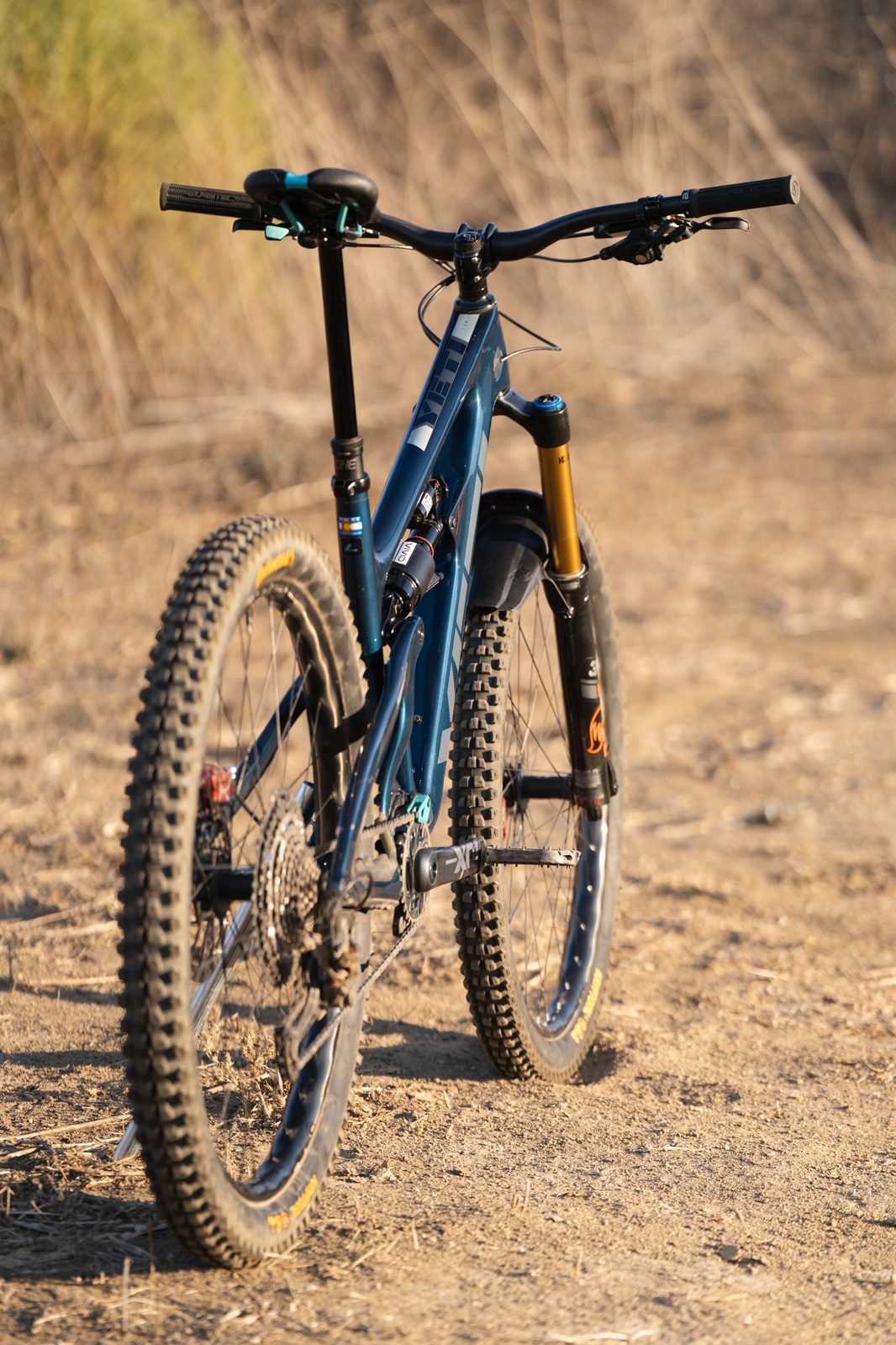
Bike buildimg/mountain-bike.jpg
Built from a bare frame; suspension rebuilt at home
Bikes, from the frame up
I ride mountain bikes, and I may enjoy wrenching on them even more. I build my own bikes from bare frames, rebuild the suspension, and spend too much time chasing the setup details that make a bike feel dialed.
A torque-limiting B-nut for single-aisle aircraft fluid systems.
The problem
Conventional fluid connections on commercial aircraft rely on the mechanic to apply the correct torque and a visible torque stripe over the joint to indicate it’s complete. A hand-tight joint can be marked as torqued, and consequently a leak will be found at oil-on, leading to line stoppage and rework. There is a need for a fitting connection that positively, automatically indicates whether it was properly connected. The addressable market is massive, and no existing product meets this need.
My role
I originated multiple concepts, matured and prototyped the viable ones, down selected to the highest performing candidates, and arrived at a high performing product. I have set the technical direction, led design, analysis, and test campaigns, took the business case through executive approval, and aligned manufacturing and supply chain so the product is designed for production from the start. Multiple patents are pending.
Work at the customer
I ran on-site technology demonstrations with customer engineers. I walked through the product with them, watched their top mechanics put the prototypes through their paces, found and mitigated problems live on their floor, and fed those findings into the next design round. That feedback loop drove the program.
Current status
In qualification and planning for full-scale manufacturing alongside the existing CNC process.
Role
Inventor and lead engineer
Market
Hundreds of thousands of units per year.
Military engine program · 2021 · Qualified and engine tested.
Lockwire-free fitting and coupling suite
A family of fluid fittings and mating couplings qualified for hundreds of connections per engine.
The problem
Lockwire is slow to install, easy to get wrong, and creates a foreign-object risk. The customer wanted to eliminate it from every fluid connection on the engine without giving up vibration resistance or leak integrity.
My role
I owned the suite rather than a single part. That included tolerance analysis across the mating pairs, FEA on the locking features for sizing and definition as part size and material varied, and the qualification campaign across environment extremes.
Current status
Over 40 unique configurations were designed, manufactured, qualified, and engine tested. Program awaiting future government contract but represents tens of thousands of units annually when fully ramped.
Role
Design and qualification lead
Qualified to
RTCA DO-160, MIL-STD-810, customer specific engine test requirements
MRAS, for a COMAC program · 2022–2024, Loar Group · Released to production
Rate control device for the nacelle
A self-contained line-replaceable unit that controls how fast the engine cowls open and close.
The problem
Clamshell cowls, if left undamped, open in an uncontrolled manner that can damage hinges and/or provide safety hazards to mechanics. Cowls that open too slowly can fail the maintenance-access requirement. The device has to hold the target opening rate across the nacelle temperature and environment range for the life of the aircraft, with no external power.
My role
I owned the concept maturation, the requirements, the interfaces, and the design tradeoffs. I performed first principles analysis on all critical components, sized the orifices and relief valve, designed the gearing and spline interfaces, wrote the qualification plans and reports, and ran structural and environmental durability testing to the program schedule.
Result
High performance, manufacturable, high margin product delivered to production.
Role
Responsible engineer, concept through production release
Reviews
Led PDR and FDR with the customer’s Chief Engineer
Thrust reverser track liner tooling · 2022–2024, Loar Group
Electro-mechanical test rig for bonding-tool validation
Designed and built end-to-end to pressure-test a silicone expansion bladder used as bonding tooling.
The problem
The silicone bladder’s function is to apply consistent pressure against an epoxy-resin bearing liner as it cures against an aluminum track. There was no good way to verify that it applied pressure evenly or if the pressure was correct at the desired curing temperature, and no commercial rig existed for the job.
What I built
A closed-loop rig that inflates the bladder against an instrumented surrogate, logs load and temperature across the contact area, and holds the setpoints with PID control. I designed the mechanical hardware, developed a pressure sensing strategy using commercially available load cells, selected and wired the heating elements and sensors, and wrote the data-acquisition software that normalized the force to pressure data and aligned with the temperature data.
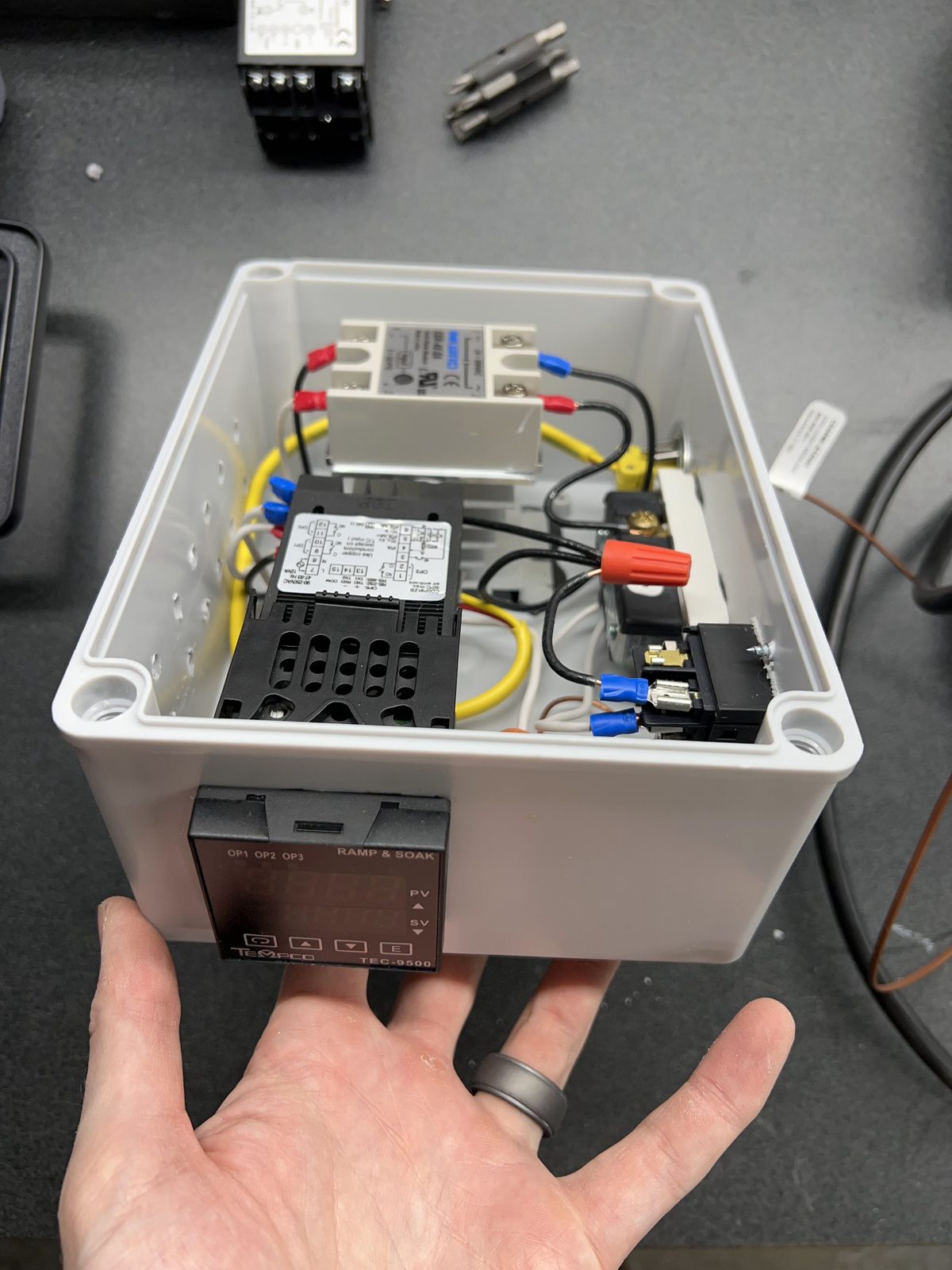
Control enclosureimg/pid-controller.jpg
Control enclosure with ramp-and-soak PID, solid-state relay, and thermocouple input.
Result
The test rig allowed the team to test multiple materials, configurations, temperatures, and other variables to arrive at a tooling design suitable for productionization.
Role
Sole designer and builder
Built from
Off-the-shelf actuation, custom fixtures, DAQ written in Python.
Gulfstream and MRAS · 2022–2024, Loar Group
Latches and clamps for business and commercial aircraft
I supported the design and development of two clean-sheet mechanisms, each designed around its manufacturing process.
The latch
A slam-close latch in the Hartwell class, designed for economical sheet-metal production from the start. A case study in part economization and de-featuring while meeting performance requirements and design intent.
The clamp
A non-metallic clamp that holds a nacelle hold-open rod, designed for injection molding. Beats the competition on weight while meeting reliability and cost targets.
Role
Design engineer
Made by
Sheet metal; injection molding
CFM International, all LEAP variants · 2016–2021, PCC Shur-Lok · Sustained production
High-temperature locking insert for the LEAP engine
An insert that has to lock, release, and lock again through extreme thermal cycling.
The problem
It looked like a routine insert, but extreme temperature environment and reliable reuse through the engine’s thermal cycling depended on FEA simulation to extract the limits of the available design envelope. Nothing in the existing product line addressed it.
My role
I owned the design, analysis, and test program. I worked the problem from first principles, ran the qualification, and released the part to production.
Result
Sustained production across the LEAP family at tens of millions a year in revenue.
Role
Design engineer, later technical lead for the product group
Status
Sustained production
WWT International · 2014–2015
Hydraulic valving for downhole robotic tools
Relief, pilot, and shuttle valves for hydraulically powered downhole robots.
The work
Coiled tubing goes into existing oil wells to perform logging and other post-drilling activities, but a miles-long pipe will buckle before it reaches target depth, so the hydraulic powered tractor product exists to extend the reach of the coiled tubing. I designed and analyzed many components of this complex system, including the valve components, and modeled HPHT conditions to check margins before deployment.